
Readers of “The Flower of Veneration” will be transported into an emotional, symbolic, and profoundly philosophical universe. The basis of this complex narrative is Chapter 1, which introduces important people and establishes the tone of the drama that is about to develop. While offering ideas that appeal to both new readers and those returning to the book, this essay will explore the key components of Chapter 1, their relevance and ramifications.
Summary of Chapter 1
Creating the Environment
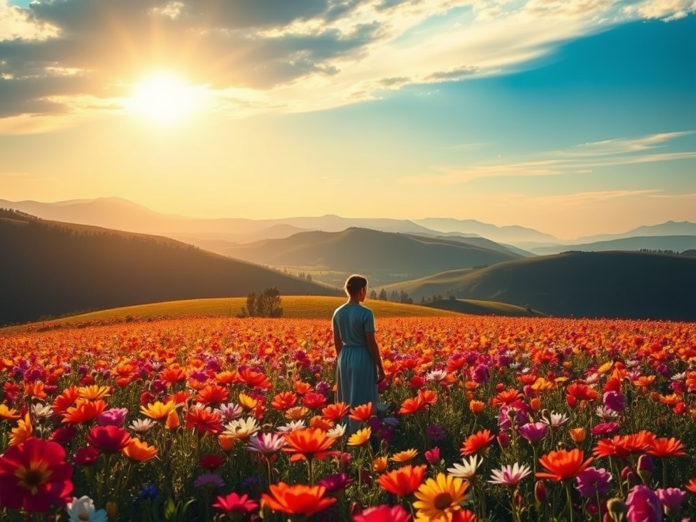
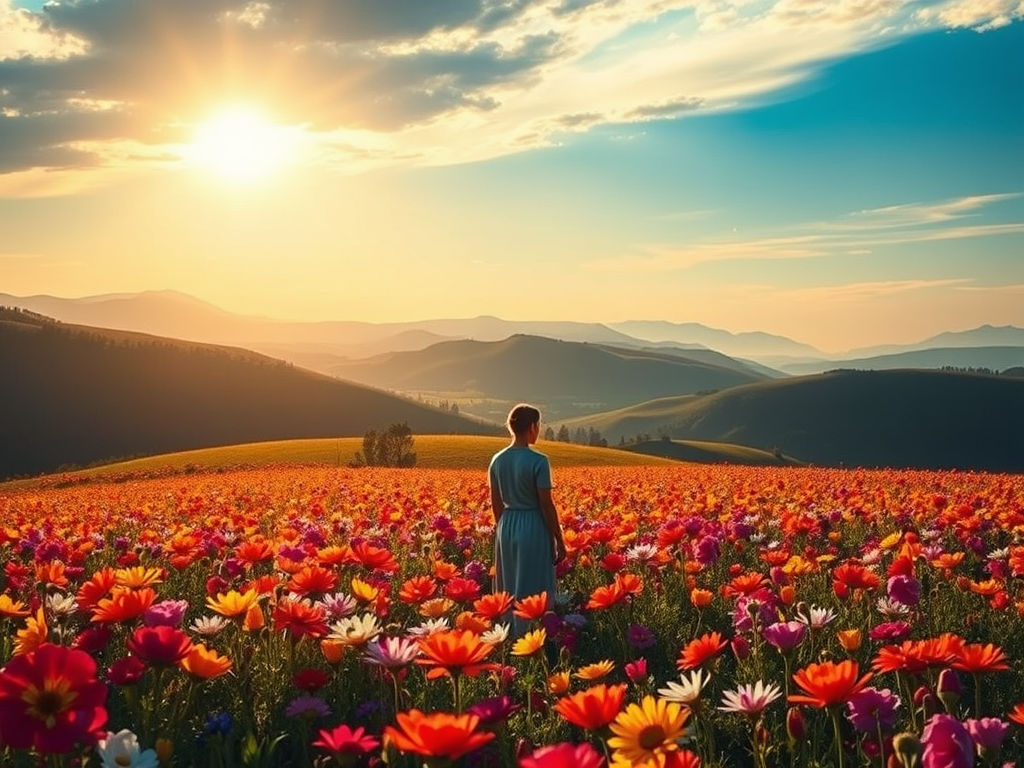
The opening vivid depiction of the protagonist’s surroundings in Chapter 1 sets the tone of the narrative and is therefore quite important. Mirroring the inner conflicts of the characters, the author’s images depict both beauty and complexity. The scene is a live thing influencing the story, not only a background.
Introduction of the Main Characters
We meet the protagonist in this chapter, whose trip becomes the major narrative point. Supporting characters also enter the scene and provide different points of view and strife. Understanding the complexity of the story and the protagonist’s motives requires their interactions.
Chapter 1’s Key Themes Investigated
Veneration: Its Importance
The chapter is spun around the idea of veneration—that is, great esteem or adoration. Apart from the title, this theme helps to investigate the relationships between the individuals and their surroundings. The author deftly emphasizes the subtleties of love, loyalty, and sacrifice through veneration.
The Battle of Identity
The chapter revolves around identity several times. The protagonist battles self-discovery as well as family and society’s expectations. Readers will find resonance in this struggle, therefore rendering the story relevant and powerful.
Nature as a Reflective Agent
In Chapter 1, nature represents both beauty and conflict and is therefore quite important. The emotional emotions of the people are reflected in the descriptions of plants and animals. The author’s use of environment not only enhances the story but also asks readers to consider their own experiences.
Character Review
The Protagonist
The protagonist is shown as a multi-dimensional figure struggling with personal problems and finding comfort in the surroundings. The author’s insights into their ideas and emotions help one to sense the inner turmoil. This depth gives the character an interesting and relevant quality.
Supporting Figures
The path of the protagonist is shaped in great part by supporting characters. Every character reflects several facets of respect and identity, therefore offering opposing points of view that strengthen the story. The plot is driven forward in great part by their interactions with the protagonist.
Symbolism in Chapter 1
Flowers as Agents of Veneration Symbols
The term alone suggests the narrative’s relevance of flowers. Flowers represent several ideas in this chapter, including love, loss, and the passing of time. Its presence helps the story to have more emotional weight and inspires readers to give its implications great thought.
The Part Played by Shadow and Light
Also symbolic components in Chapter 1 are light and shadow. The interaction of these two forces captures the duality of the experiences of the people—joy and sadness, hope and despair. This symbolism gives the story more levels of significance and motivates readers to interact with the book on a closer level.
READ MORE – Mom Life: Whatutalkingboutwillistyle – Embracing the Journey
FAQs:
1. Chapter 1 of “The Flower of Veneration” has as its primary theme what?
The fundamental subjects are respect, identity, and the intricacy of relationships.
2. In Chapter 1, whose protagonist is?
The protagonist is a multi-dimensional person negotiating societal expectations and personal challenges.
3. In what ways might the story in Chapter 1 be shaped by nature?
Nature is a reflecting element that accentuates the depth of the narrative by expressing the emotional states of the people.
4. Chapter 1’s supporting characters provide what purpose?
Supporting characters shape the path the protagonist travels through their encounters and offer opposing points of view.
5. In Chapter 1, what use is symbolism?
Symbolism gives the story layers of significance especially via flowers and the interaction of light and shadow.
Conclusion:
“The Flower of Veneration’s” first chapter prepares readers for a gripping story full of rich ideas, complex characters, and great symbolism. Investigating veneration and identity asks readers to consider their feelings and experiences. The foundation set in this chapter promises to be a trip that is both poignant and provocative as the narrative progresses.
Knowing the relevance of Chapter 1 helps readers to value the complexity of the story as it develops. Whether you are returning to the book or a first-time reader, the insights from this chapter will improve your interaction with “The Flower of Veneration.”