Introduction:
In robotics, the idea of expandability is transforming machine construction and upgrading. From automation and healthcare to education and research, developers may design,customized, and scalable robotic systems for many sectors using labeled expandability robots.
The value of expandability in robotics, its uses, benefits, and optimum design guidelines are investigated in this work. This book will offer insightful analysis of labeled expandability robots and how they are influencing the future regardless of your level of expertise—engineering, education, or hobbyism.
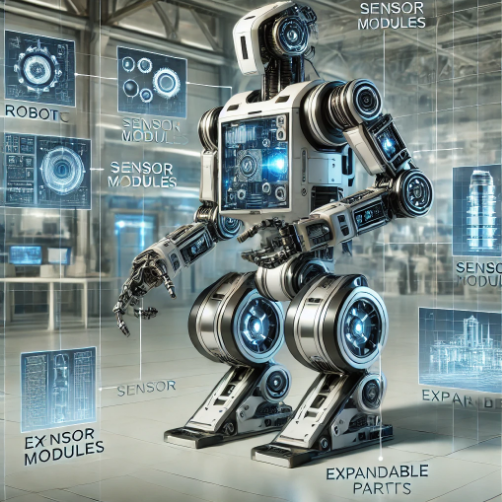
Define an expandability robot.
An expandability robot is a robotic system made from easily upgradeable modular components. The term labeled describes ordered, preset pieces or modules that facilitate development and change.
These robots let users combine fresh hardware, sensors, and software as needed thanks to interchangeable parts, open-source architectures, and standard connectors.
Why are expandable robots significant?
1. Design for the Future
Expandable robots may be constantly developed to satisfy changing needs unlike the fixed capability of conventional robots.
2. Affordability
Users can replace components over time instead of buying whole new robots, therefore saving major expenses in industrial and research uses.
3. Adaptability and Personalization
Applications for expandable robots abound and include:
- Customizable robotic arms: industrial automation
- Medical (adaptive robotic prosthesis)
- Education with modular STEM learning kits
- Research and artificial intelligence, or machine learning-enabled robots
4. Scalability for Large-Scale Initiatives
Labeled expandability robots scale effectively in manufacturing automation and logistics, enabling fast production line modifications.
Uses of Expandable Robots
1. Industrial Automation and Manufacturing
Robots with extendable toolsets help sectors including:
- Interchangeable end effectors in custom robotic arms
- Adaptive AI-driven robotic assembly line automation
2. Assistive Robotics for Healthcare
- Robotic prosthesis that change with consumer need
- Customizable caring robots driven by artificial intelligence
3. STEM Education and Training
- Modular robots labeled for practical STEM instruction
- LEGO-style robotics kits for building and programming projects
4. Space and Exploration Robotics
- NASA’s modular robots able to reorganize for various planetary conditions
- Modular sensor payload autonomous drones
5. AI Development and Research
- Extensible processing unit based machine learning-based robotics
- Robotics driven by artificial intelligence that fit practical uses
Features of Labeled Expandability Robots
1. Interchangeable and Modular Sections
- Easy identification and assembly are guaranteed by pre-labeled components.
- Lets users quickly replace broken components.
2. Simplified Hardware and Software Updates
- Supports fresh AI powers and firmware updates.
- Compatible with several systems and architectures.
3. Integration from Open Source
- Many expandability machines run open-source hardware and software.
- Promotes innovative ideas inspired by communities.
4. Improved Training and Prototyping
- Applied for fast prototyping at research labs and colleges.
- Facilitates robotics experiments for engineers and students without beginning from nothing.
5. Reduced Maintenance Costs and Downtime
- Labeled components simplify troubleshooting.
- Faster parts replacements and repairs help to lower downtime.
Best Standards for Creating Expandable Robots
1. Employ Standardized Connectors
- Select often-used connectors like I2C, USB-C, and GPIO headers.
2. Apply Open-Source Hardware
- Enable simple program changes free from proprietary limitations.
3. Efficiency Labeling Components
- Clearly label removable modules for rapid replacement and identification.
4. Improve Energy Management
- Create modular battery pack-equipped design robots to run for more.
5. Verify Fit with Artificial Intelligence and Machine Learning Frameworks
- Support TensorFlow, ROS, or PyTorch to help the robot to be flexible in future AI developments.
Difficulties and Restrictions of Expandability Robots
1. Development’s Initial Costs
Although modular robots save money over time, the initial outlay in design, prototyping, and materials can be significant.
2. Component Compatibility: Complexity
Maintaining perfect integration between outside hardware and software might prove difficult.
3. Open-Source System Security Risks
Open-source firmware expandable robots run the danger of being hacked.
Crucially important are regular software updates and encryption techniques.
READ MORE – The Rise of CYOA Lewd Robot Adventures: A Deep Dive Into Interactive AI Fantasy
FAQs:
1. Why might a robot be expandable?
Modular components, upgradable software, and labeled portions of an extendable robot enable simple scaling and customizing.
2. In Artificial Intelligence Research, May Expandable Robots Find Application?
Indeed. Many artificial intelligence-driven robots are built with modular actuators, extra sensors, and expandable CPUs for changing uses in research.
3. Are Expandable Labeled Robots Starting Point Friendly?
Sure! Many STEM kits and instructional robots are accessible for novices since their modular pieces have pre-labels.
4. For Which Sectors Expandable Robots Most Help?
Expanding robotic systems must help sectors including manufacturing, healthcare, education, and artificial intelligence research.
5. Where Might One Find Expandability Robots with Open-Source Labels?
Platforms include ROS (Robot Operating System), Arduino, and robotics kits built on Raspberry Pi-based technologies are yours to investigate.
Conclusion:
Expansion and modularity will define robotics going forward. For industry, education, healthcare, and artificial intelligence research, labeled expandability robots offer affordable, scalable, flexible solutions. Incorporating modular hardware, open-source frameworks, and future-proof design helps developers build robots that expand and change with technology.